

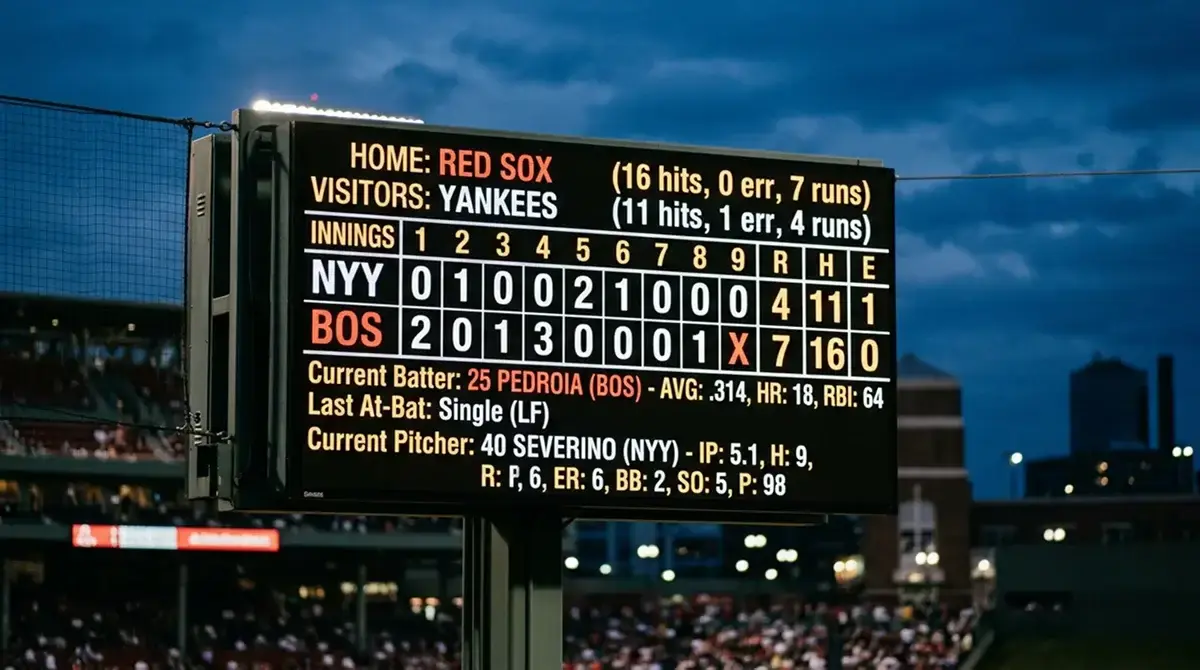
The first same game parlay I built on baseball was a three-legger: team moneyline win, the over on total runs, and the starting pitcher over on strikeouts. All three legs hit, and the combined odds came to just over 5.00 decimal. It felt like genius. It wasn’t — it was logical. Those three outcomes were positively correlated, meaning if one happened, the others were more likely to happen too. Understanding that correlation is the entire game within same game parlays.
SGPs — same game parlays, known as single-game accumulators in UK terminology — let you combine multiple selections from a single match into one bet. With 2,430 regular-season MLB games generating fresh opportunities nearly every day, the volume of SGP possibilities is staggering. Live betting now accounts for over 62% of global online sports betting revenue, and SGPs tap into that same engagement impulse: they make every at-bat, every pitch feel personally relevant to your bet.
Maximizing Leg Correlation in an MLB Same Game Parlay
Positive correlation means two outcomes tend to happen together. In MLB, a team winning and the over on total runs are positively correlated — winning teams score runs, and high-scoring games produce winners by wider margins. A starting pitcher recording a high strikeout total and his team winning is also positively correlated — dominant pitching suppresses the opposition and helps secure victories. These are natural pairings.
Negative correlation means two outcomes work against each other. Backing NRFI (no run first inning) alongside the over on total runs is a contradictory combination — you’re betting the first inning is scoreless while also betting the game is high-scoring. It’s technically possible (scoreless first inning followed by an offensive explosion from the second inning onwards), but you’re introducing unnecessary tension between your legs. Every negatively correlated leg reduces the probability of the overall SGP more than the bookmaker’s pricing reflects.
Uncorrelated outcomes sit in between. A pitcher’s strikeout prop and the opposing pitcher’s strikeout prop are largely independent — one has little bearing on the other. Combining uncorrelated legs doesn’t hurt your SGP, but it doesn’t help either. You’re simply multiplying independent probabilities without any synergy. The best SGPs combine legs with clear positive correlation, creating a narrative where each leg reinforces the others.
SGP Construction: Practical Examples
A two-leg SGP is the cleanest and highest-probability construction. Team A moneyline + over 8.5 total runs. If Team A wins a high-scoring game — say 6-4 or 7-5 — both legs cash. The implied probability of a two-leg SGP with correlated legs is higher than the naive multiplication of individual probabilities would suggest, because the correlation lifts the joint probability. Typical combined odds for a two-leg correlated SGP: 2.80-3.50 decimal.
A three-leg SGP adds a player prop. Team A moneyline + over 8.5 total runs + Team A’s starting pitcher over 5.5 strikeouts. The narrative: Team A’s pitcher dominates (high strikeouts), Team A wins, and the total scoring is elevated because Team B’s offence still puts up a fight against the bullpen after the starter exits. Combined odds: 4.50-6.50 decimal depending on the individual prices.
A four-leg SGP pushes into higher-risk territory. Team A moneyline + over 8.5 runs + pitcher over 5.5 strikeouts + a specific batter to hit a home run. The home run leg is where risk escalates — even the best home run hitters only go deep in roughly 5-8% of their plate appearances. Combined odds: 10.00-18.00 decimal. The potential payout is enticing, but the win rate on four-leg SGPs is low enough that you should size your stake accordingly — 0.5% of bankroll at maximum.
The payout escalation curve is steep. A two-leg SGP at 3.00 decimal has roughly a 30-35% chance of hitting with correlated legs. A four-leg SGP at 12.00 has perhaps an 8-10% chance. Each additional leg doesn’t just add odds — it multiplies the ways your bet can lose. I keep the vast majority of my SGPs at two or three legs, reserving four-leg builds for occasions when the correlation story is exceptionally strong and the bookmaker hasn’t fully adjusted for the positive dependency between legs.
One mistake I see constantly: bettors building SGPs by stacking their favourite team with every positive outcome — win, over, multiple home runs, pitcher strikeouts. While these legs correlate positively, the combined implied probability becomes unrealistically low. The bookmaker applies their margin to each leg individually, and those margins compound. A four-leg SGP where each leg has a 60% individual probability doesn’t have a 13% chance of hitting (0.6 to the power of four); the correlation helps, but the margin eats into the theoretical edge. Be selective, not ambitious.
SGP Availability at UK Bookmakers
Same game parlays on MLB are offered by several major UKGC-licensed bookmakers, though the depth of available legs varies. The largest UK operators typically offer moneyline, run line, totals, and a selection of popular player props (strikeouts, hits, home runs) as SGP-eligible markets. Less common props — first-inning scoring, individual inning results — may not be available for SGP construction at all UK bookmakers.
The pricing also varies between operators. Some UK bookmakers apply a “correlation discount” that adjusts the combined odds downward to account for positively correlated legs, while others price each leg independently and pocket a larger margin. Comparing SGP prices across two or three operators before building your accumulator can yield significantly better returns — a 10-15% difference in combined odds is common on three-leg SGPs.
One practical tip: build your SGP on paper first, then enter it into the bookmaker’s builder. The SGP builder interfaces at most UK operators can be clunky for MLB — they’re designed primarily for football. Deciding your legs in advance based on your analysis, rather than browsing the builder’s menu and being tempted by random combinations, keeps your SGP construction disciplined. Every leg should have a reason rooted in the parlay strategy principles of correlation and narrative coherence.
